Frequently Asked Questions
what are blast chillers used for?
Blast chillers are used to rapidly cool hot food, preserving quality, preventing bacterial growth, and ensuring food safety in commercial kitchens.
is a blast chiller a vehicle of contamination?
A blast chiller is not a vehicle of contamination. When used correctly, it rapidly cools food, preventing bacterial growth and enhancing food safety.
how cold are blast chillers?
Blast chillers rapidly cool food, typically from +90°C to +3°C in 90 minutes or less, ensuring food safety and quality.
how cold is a blast chiller?
A blast chiller rapidly cools food. They typically reach temperatures between 165°F and 37°F (74°C to 3°C) in about 90 minutes.
what is a blast chiller?
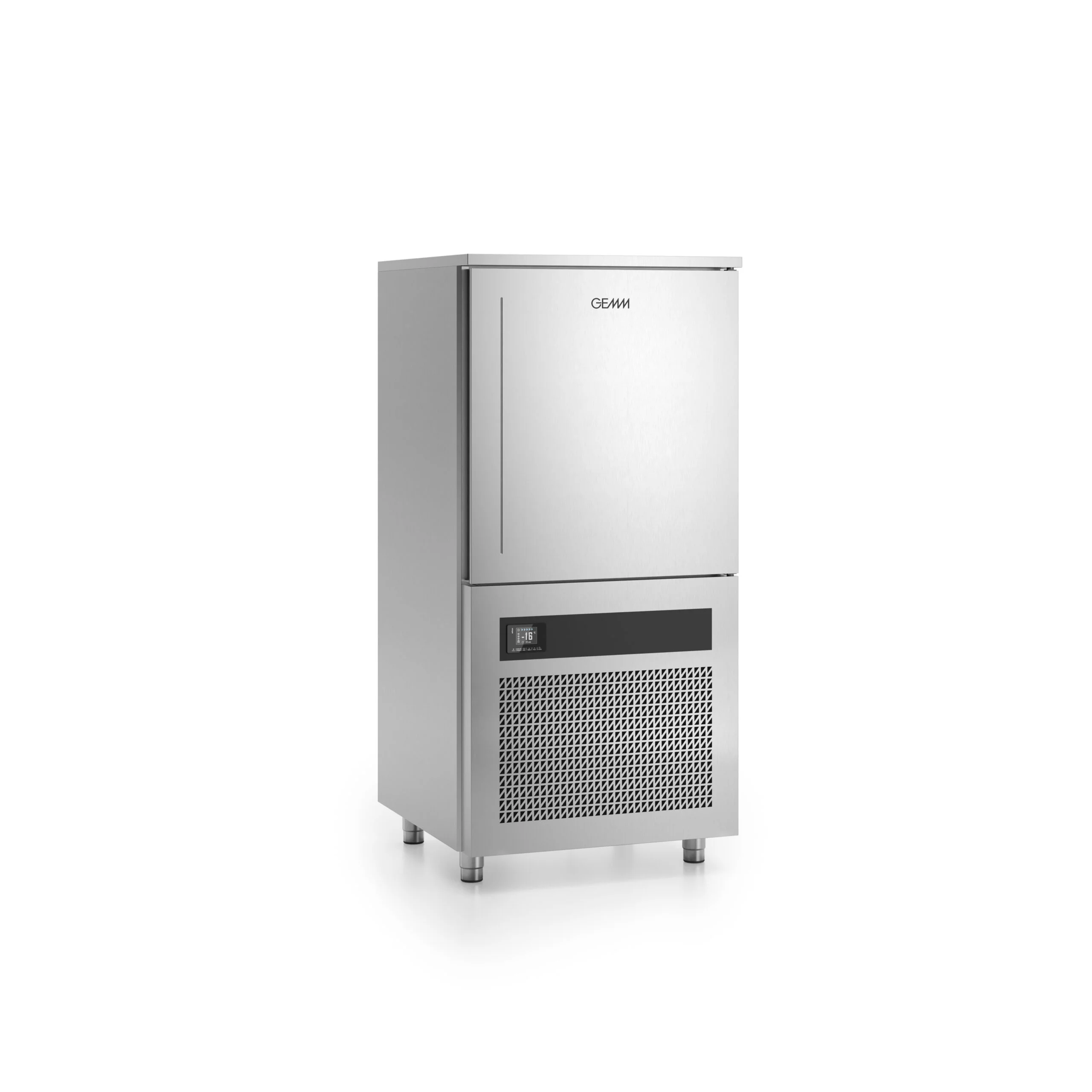
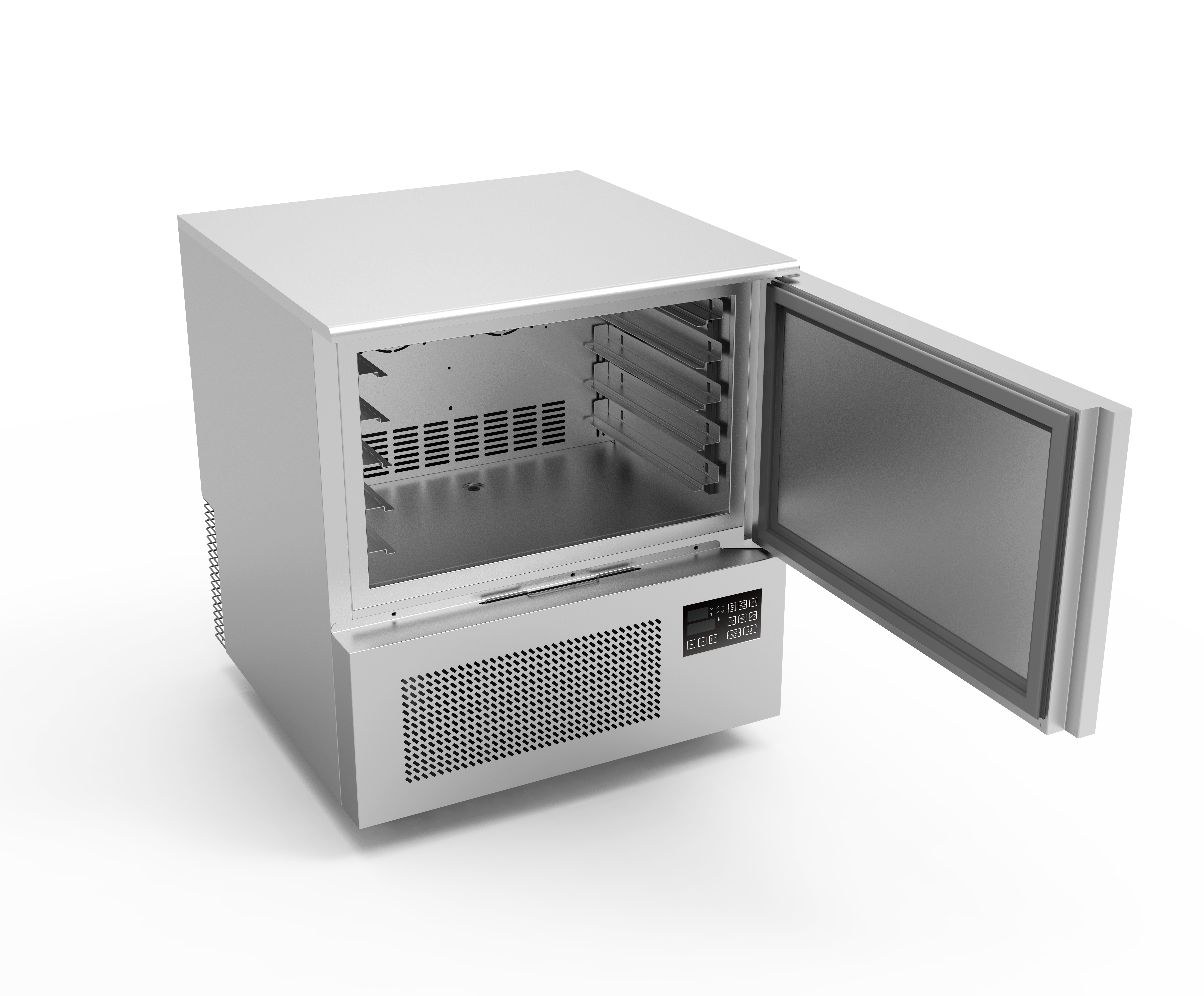
A blast chiller is commercial kitchen equipment that rapidly cools hot food to safe temperatures, preventing bacterial growth and preserving quality.
how much is a blast chiller?
The cost of a blast chiller varies. Eurodib offers a range of commercial blast chillers to fit different needs and budgets.
what temperature is a blast chiller?
A blast chiller rapidly cools food. It typically reduces core food temperatures from 165°F (74°C) to 37°F (3°C) in under 90 minutes.
what does a blast chiller do?
A blast chiller rapidly cools hot food to safe temperatures, preserving quality, preventing bacterial growth, and reducing waste in commercial kitchens.
What is the purpose of a blast chiller?
The purpose of a blast chiller is to rapidly cool cooked food from high temperatures to safe storage levels, preserving quality and preventing bacterial growth.
What are blast chillers primary functions?
Blast chillers' primary functions are to rapidly cool hot food, preserving quality, preventing bacterial growth, and ensuring food safety compliance.
What do blast chillers achieve for kitchens?
Blast chillers achieve rapid cooling of food, preserving quality, reducing waste, and ensuring food safety in commercial kitchens.
How do blast chillers preserve food?
Blast chillers preserve food by rapidly lowering its temperature, inhibiting bacterial growth and maintaining quality and safety.
What makes a blast chiller unique?
A blast chiller is unique due to its ability to rapidly cool food, preserving quality, extending shelf life, and ensuring food safety by quickly passing through the danger zone.
How does a blast chiller work?
A blast chiller rapidly cools hot food, preserving quality and safety by quickly passing through the temperature danger zone to inhibit bacterial growth.
What is the operational range of blast chillers?
The operational range of blast chillers is typically from +70°C down to -18°C, ensuring rapid cooling for food safety and preservation.
What capacity do Eurodib blast chillers offer?
Eurodib blast chillers offer a range of capacities to suit various commercial kitchen needs, from smaller units to larger, high-volume models.
How does a blast chiller impact food safety?
A blast chiller significantly impacts food safety by rapidly cooling food, inhibiting bacterial growth and extending shelf life, thus preventing spoilage and foodborne illnesses.
What are the benefits of using blast chillers?
The benefits of using blast chillers include rapid cooling to preserve food quality, reduce bacterial growth, and minimize waste, ensuring food safety and extending shelf life.
What food types suit blast chilling?
Blast chilling is suitable for a wide variety of perishable food types, including cooked meats, fish, dairy products, soups, sauces, and prepared meals, ensuring rapid cooling and safety.
How quickly can blast chillers cool food?
Blast chillers can rapidly cool food, typically from 165°F to 37°F (74°C to 3°C) in under 90 minutes, ensuring food safety and quality.
What is the cooling speed of a blast chiller?
The cooling speed of a blast chiller varies by model, but they are designed to rapidly lower food temperatures from +70°C to +3°C in approximately 90 minutes.
What energy efficiency do blast chillers offer?
Blast chillers offer significant energy efficiency by rapidly cooling food, reducing the time compressors run and thus lowering electricity consumption.
How does a blast chiller prevent spoilage?
A blast chiller prevents spoilage by rapidly lowering food temperatures, inhibiting bacterial growth and preserving freshness and quality.
What maintenance do blast chillers require?
Blast chillers require regular cleaning of coils, door seals, and interior surfaces, along with periodic professional servicing to ensure optimal performance and longevity.
What features distinguish Eurodib blast chillers?
Eurodib blast chillers are distinguished by their rapid cooling capabilities, precise temperature control, durable construction, and energy efficiency, ensuring optimal food safety and quality.
What accessories accompany blast chillers?
Accessories accompanying blast chillers are designed to enhance their functionality and efficiency for optimal food preservation and operational ease.
What is the warranty on blast chillers?
The warranty on Eurodib blast chillers varies by model. Please refer to the specific product details or contact our sales team for precise warranty information.
How do blast chillers meet standards?
Blast chillers meet standards by rapidly cooling food to safe temperatures, preventing bacterial growth and ensuring compliance with food safety regulations.
When did blast chillers become common?
Blast chillers became common in commercial kitchens during the latter half of the 20th century, particularly as food safety regulations and culinary innovation advanced.
What are the different blast chiller models?
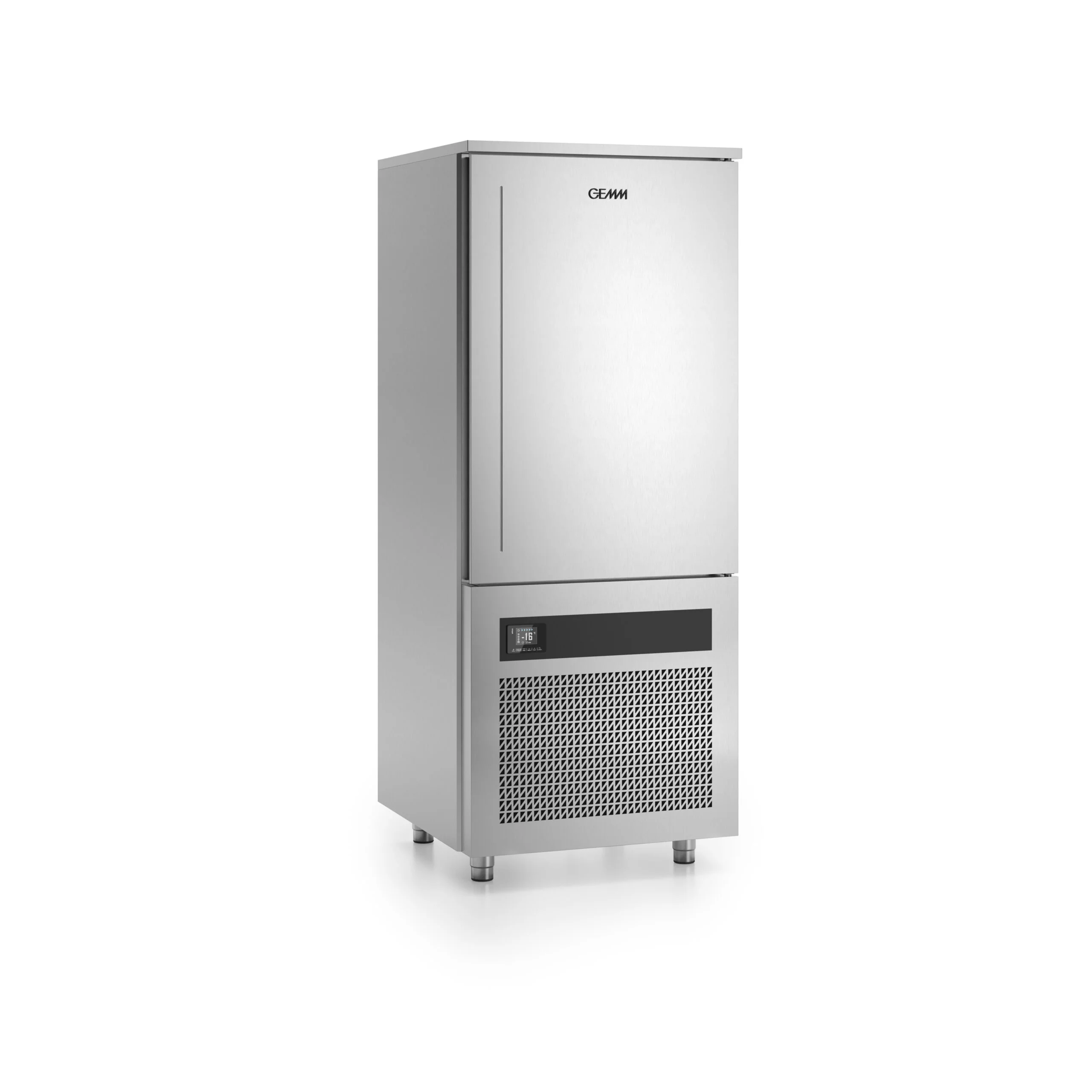
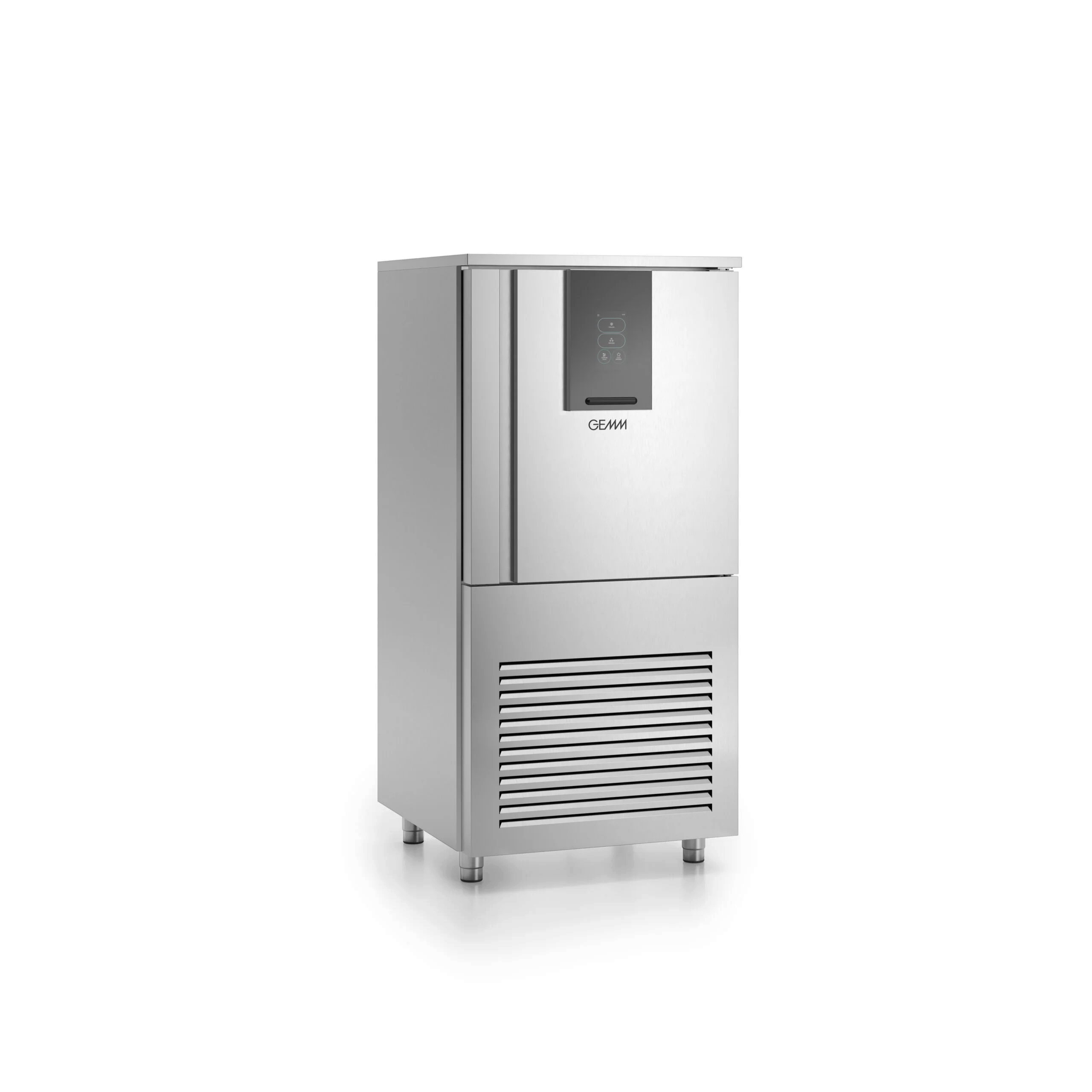
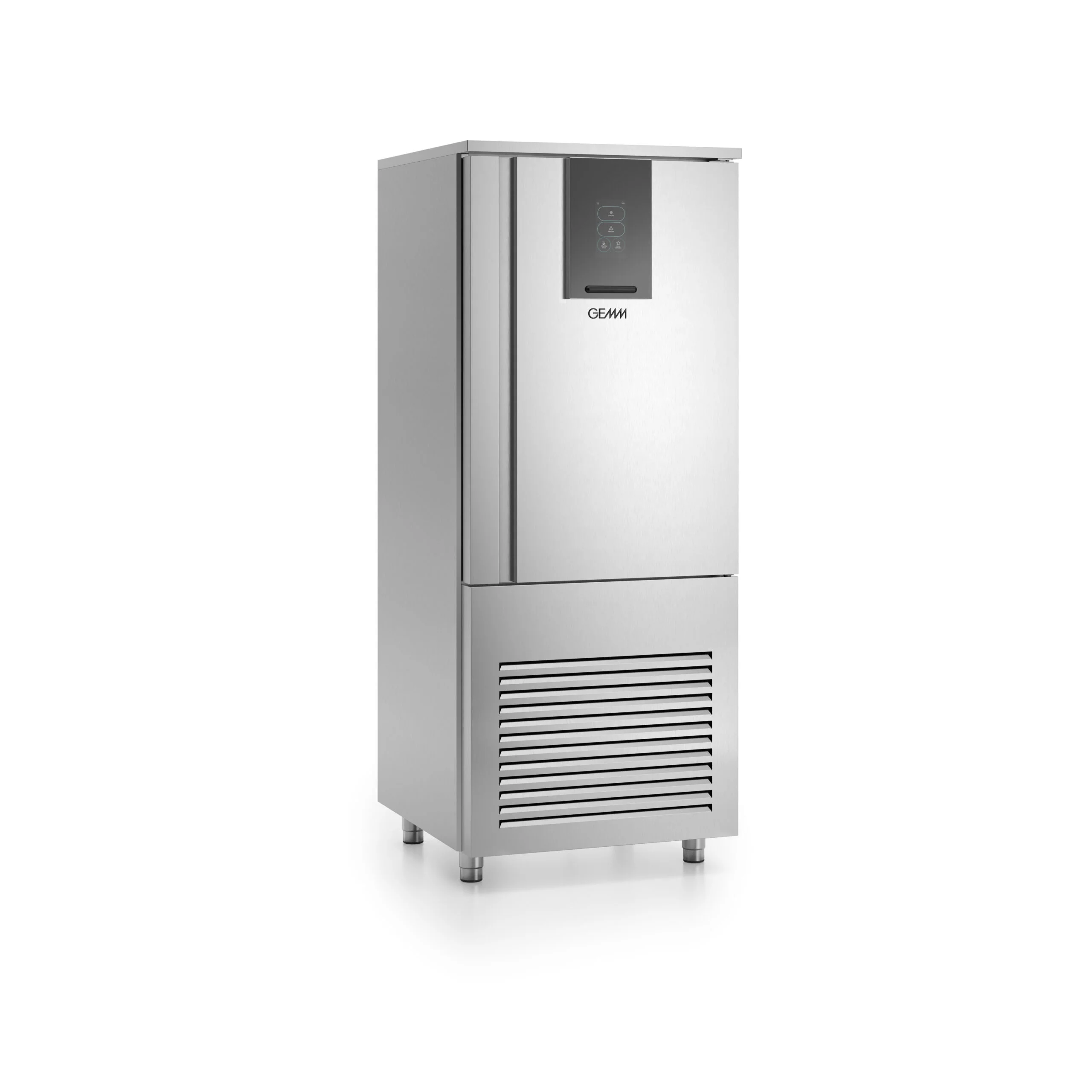
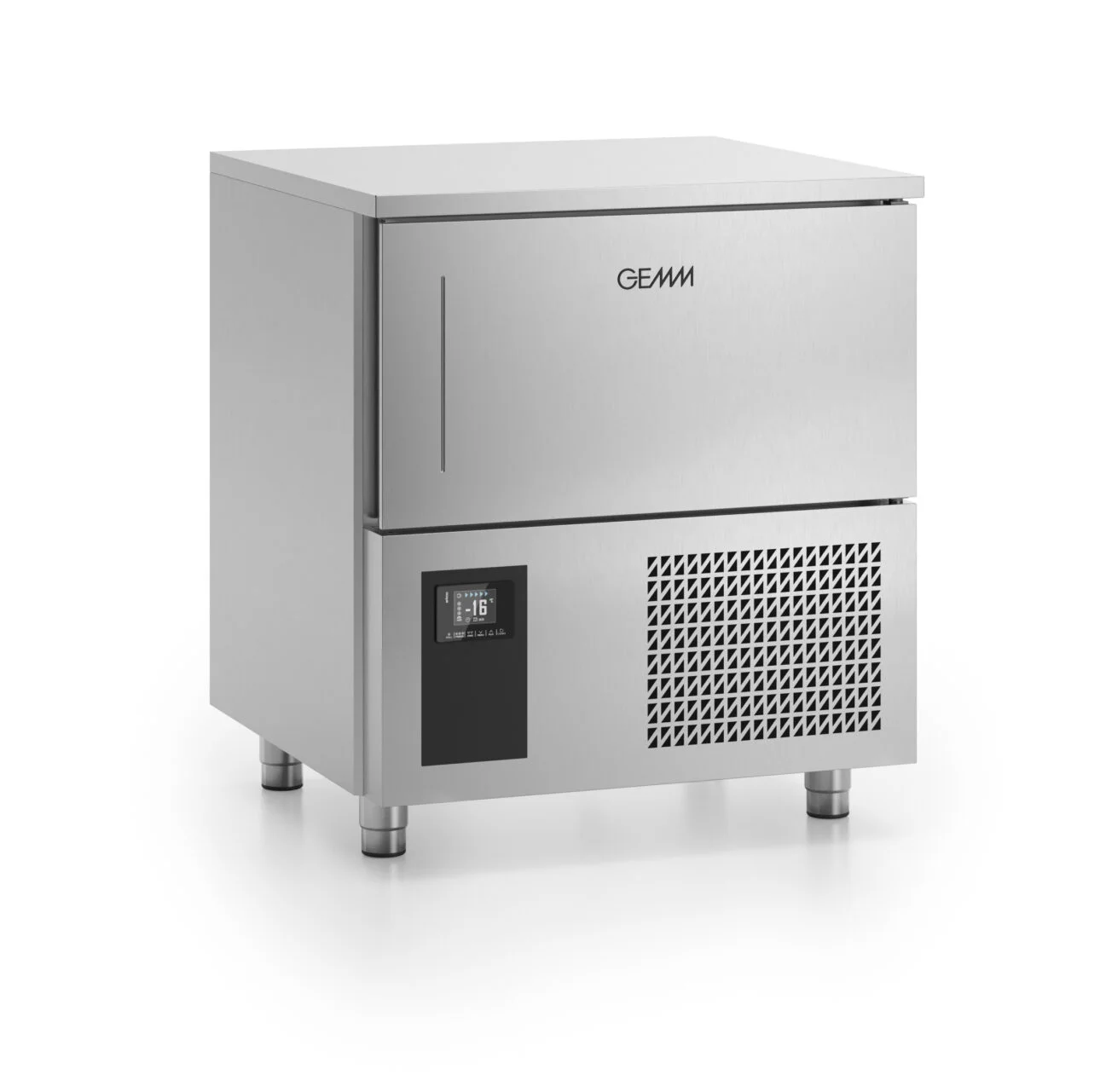
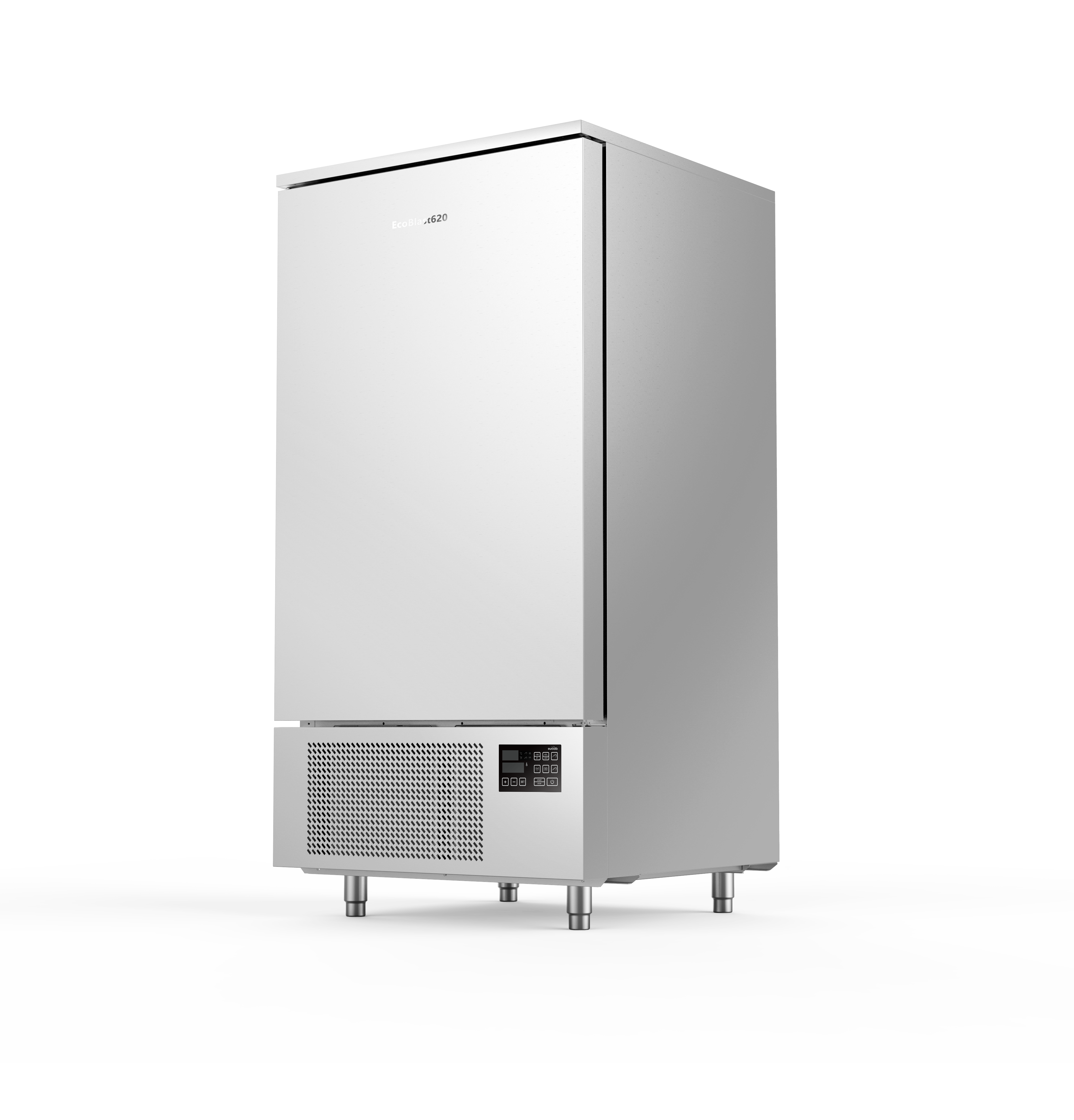
Eurodib offers various blast chiller models, including countertop, upright, and pass-through units, designed for different kitchen capacities and needs.

.png)